
Kula Annex Teacher Training Overview
Kula Annex delivers accredited 200 hour and 300 hour trainings, plus intensive and weekend formats designed for working adults and community teachers. Each offering fits professionals who plan to teach regularly and students who seek a deep personal practice. Typical cohorts run with clear time commitments and structured learning objectives that meet Yoga Alliance registration standards.
Key program formats include:
- 200 hour foundational training, 6 month pathway with weekly evenings and weekend practice labs.
- 300 hour advanced training, 6 to 12 month pathway for experienced teachers pursuing senior registration.
- Intensives and long weekends for condensed learning and specialty modules.
Program length and time commitment vary by format. The 200 hour pathway averages 150 to 200 contact hours plus 50 to 100 hours of independent study and practicum over 4 to 6 months. Intensives condense the same contact hours into concentrated blocks of 5 to 14 days with required pre reading and post practicum teaching. Modes of delivery include in person at the Annex, fully online synchronous modules, and hybrid blends with recorded lectures and in studio practice labs.
Why Train at Kula Annex
Kula Annex emphasizes practical teaching skills anchored in a philosophy of joyful practice and community care. The studio values alignment with tradition while embracing accessible, trauma informed approaches. Trainers prioritize safety, clear communication, and inclusive class design that supports diverse bodies and abilities.
Community culture at Kula centers on peer mentorship, ongoing teaching opportunities within the Annex schedule of 60 plus weekly classes, and structured alumni support. Distinctives include exposure to a wide range of class formats from gentle and restorative to hot and dynamic flow. Teaching opportunities are available for trainees who complete mentorship milestones, with priority for community teaching slots and workshop leadership.
Curriculum Overview
Core learning objectives focus on safe sequencing, effective verbal cueing, functional anatomy, breath science, and ethical business practices. The curriculum integrates theory, embodied practice, and applied teaching to prepare candidates for real class leadership.
Before the schedule grid below, each module includes reading assignments, practicum targets, and assessment benchmarks. After the grid, there are dedicated mentoring hours and observed teaching labs.
| Module | Hours | Primary Outcomes | Assessment Method |
|---|---|---|---|
| Foundations and History | 20 | Context of yoga, ethics, lineage awareness | Written reflection |
| Anatomy and Biomechanics | 40 | Functional movement, joint safety, adaptations | Practical exam |
| Breath and Nervous System | 20 | Pranayama techniques, regulation strategies | Observed practice |
| Sequencing and Class Design | 40 | Theme creation, transitions, pacing | Peer teaching |
| Verbal Skills and Communication | 20 | Cue clarity, language for inclusion | Recorded feedback |
| Hands on Adjustments and Props | 30 | Safe contact, consent protocols | Mentor observation |
| Practicum and Teaching Labs | 40 | Full class delivery, variations | Assessed teaching |
| Business and Ethics | 10 | Pricing, marketing, professional boundaries | Portfolio submission |
This grid maps contact hours and shows how practical assessment is woven through the curriculum rather than left to the final days.
Teaching Methodology and Pedagogy
Teaching methods combine demonstration, modeling, and corrective touch used with explicit consent and safety checks. Verbal cueing emphasizes concise imagery, alignment cues that avoid anatomical jargon, and inclusive language that invites options. Demonstration is used sparingly to normalize multiple body expressions and to avoid idealized models of posture. Props are introduced as tools for function and access rather than correction.
Anatomy, Physiology, and Biomechanics
Training covers regional functional anatomy with emphasis on the spine, shoulders, hips, and knees. Applied biomechanics teaches teachers how to read movement patterns, identify compensations, and design safe progressions. Injury prevention protocols instruct modification strategies for common concerns such as low back pain, rotator cuff issues, and knee instability. Breath work modules present polyvagal informed practices to support nervous system regulation during classes.
Sequencing and Class Design

Principles include logical warm ups, peak pose identification when relevant, and restorative cool downs. Sequencing for different styles is taught through sample frameworks for gentle, hot, flow, restorative, and yin classes. Emphasis is placed on transitions, pacing, and building class themes that connect physical practice to embodied inquiry.
Practicum, Observation, and Feedback
Teaching practice is extensive and includes peer teaching, mentor observed labs, and recorded sessions for reflective review. Expectations include a minimum number of observed teaching hours for certification, structured one on one feedback, and iterative improvement plans based on video review.
Assessment, Certification, and Accreditation
Assessment methods combine practical teaching, written assignments, and observed demonstrations. Successful completion grants certification eligible for Yoga Alliance registration at the 200 hour or 300 hour level. Continuing certification requires documented continuing education and periodic refresher mentorship.
Faculty and Mentor Profiles
Lead trainers are senior registered with recognized national bodies and bring decades of combined teaching experience across studio, therapeutic, and community settings. Guest teachers include clinicians and specialists leading focused workshops in breath science, restorative skill, and prenatal care. The mentor matching process pairs trainees with a lead trainer based on teaching goals, availability, and style compatibility.
Student Experience and Community Building
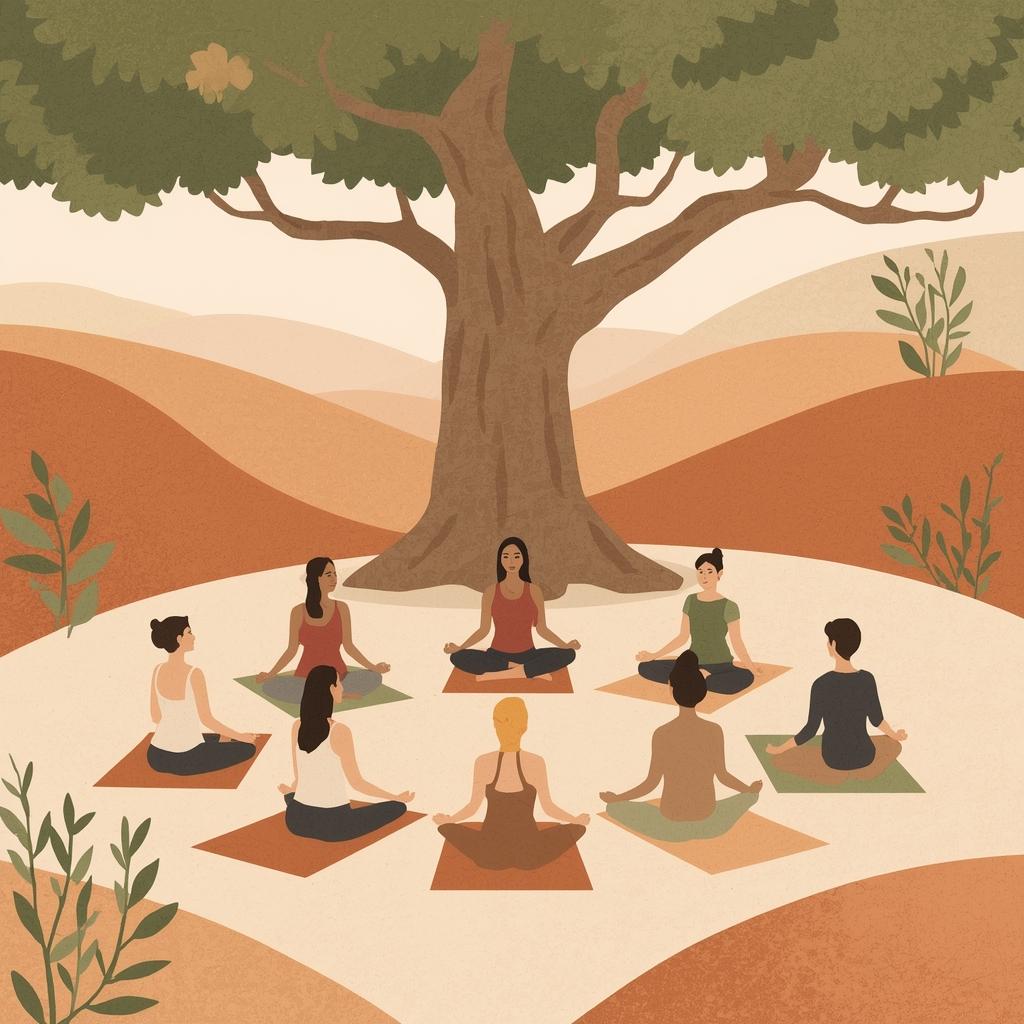
Cohort activities include peer mentorship circles, co teaching opportunities, and access to the studio schedule for practice. Kula Annex hosts regular workshops and community events where trainees can teach and receive mentorship. Alumni receive ongoing access to monthly practice labs and networking events.
Schedules, Logistics, and Attendance Policies
Intensive daily schedules typically run 8 to 10 hours with breaks and evening reflection periods. Weekend formats concentrate hours across three weekends. Attendance requirements mandate a minimum 90 percent presence in contact hours with defined make up procedures for missed modules. Facilities include two studio rooms, prop libraries, and a dedicated mentor office.
Tuition, Scholarships, and Payment Options
Tuition covers contact hours, mentor sessions, entry to workshops, and printed curriculum materials. Payment plans and early commitment discounts are available. Need based scholarships are offered via application with defined eligibility criteria to promote access.
Application Process and Prerequisites
Eligibility requires a committed personal practice and attendance at a preview class or information meeting. Applications include a practice history statement, references, and completion of an interview prior to acceptance. Deadlines align with cohort start dates posted on the Annex schedule.
Career Preparation and Support
Training culminates with practical business modules on building a class schedule, pricing, and local networking. Trainees receive coaching on social media presence, workshop creation, and best practices for recorded classes. Continuing education pathways include specialty modules for prenatal, restorative, and therapeutic teaching.
Teaching Special Populations and Ethics
Curriculum addresses adaptations for seniors, prenatal clients, and those with chronic conditions. Cultural competence training and clear professional boundaries are emphasized to ensure ethical and inclusive practice.
Alumni Outcomes and Frequently Asked Questions
Graduates commonly move into community class leadership, private sessions, and workshop facilitation. Common questions cover credential recognition, make up policies, and how to book teaching slots at the Annex; these are answered during the interview and onboarding process.
Resources and Recommended Reading
Required texts and suggested materials include foundational anatomy references, breath science publications, and select teacher manuals. Trainees receive a curated resource list and links to continued education providers to support lifelong learning.
